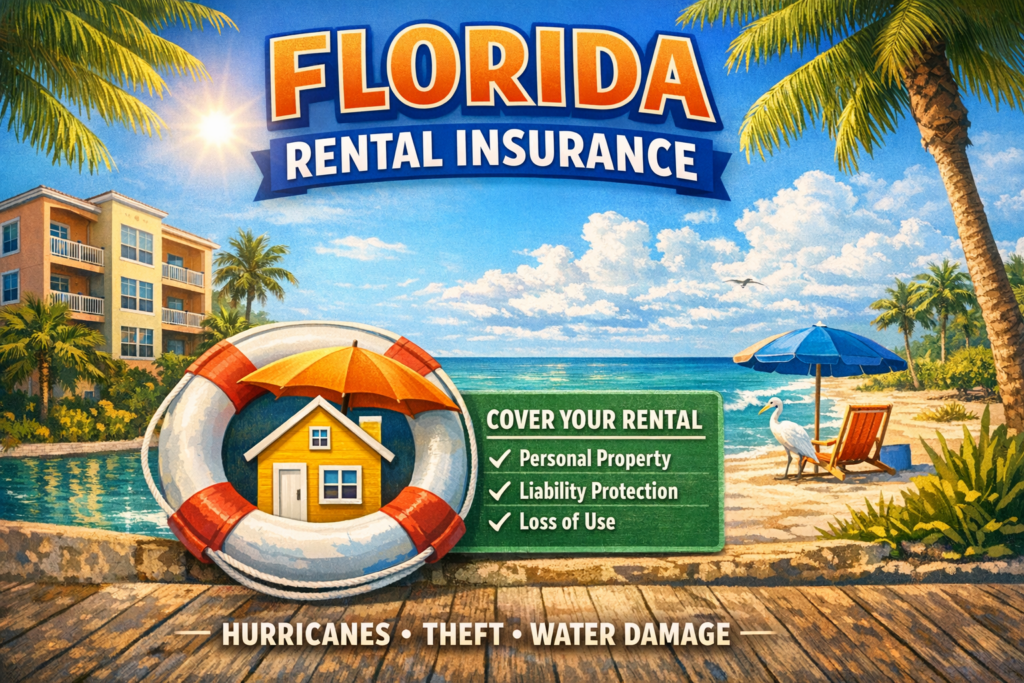
Florida is a popular state for both residents and tourists, making rental properties a common choice for many people. Protecting your belongings and your financial security is vital when renting a home or apartment in Florida. Understanding the different types of rental insurance available can help you make wise decisions and avoid costly surprises. Many renters might overlook insurance because they assume the landlord’s policy will cover everything, but that is rarely the case. With the right coverage, renters can safeguard their personal property, cover personal liability, and even gain help with temporary living expenses. The following guide will explore the basics of Florida rental insurance, the common policy types, key coverage features, and tips on choosing the right policy. Whether you are new to renting in Florida or looking to update your coverage, this article will help you navigate your options confidently.
Understanding the Basics of Florida Rental Insurance
Florida rental insurance, also known as renters insurance, serves as a crucial safety net for tenants. When you rent a house or apartment, your landlord’s insurance only protects the building structure, not your personal belongings inside it. Because of that, many renters choose to purchase rental insurance to protect their possessions, personal liability, and additional living expenses after unexpected events.
Many people do not realize how vulnerable they are to risks like theft, fire, water damage, and certain types of natural disasters. Since Florida is prone to hurricanes and tropical storms, renters face unique challenges that make insurance even more important. The right policy can offer peace of mind and a sense of security, knowing that your valuables are covered if disaster strikes.
Rental insurance policies usually come with affordable monthly premiums, making them accessible for most renters. Even though coverage amounts vary, standard policies often provide sufficient protection for everyday needs. By understanding the basics, renters in Florida can make informed decisions that protect both their finances and their sense of home. Before diving into the different policy types, it is essential to grasp why having your own insurance is so important for your overall well-being.
Common Types of Rental Insurance Policies in Florida
Standard renters insurance policies in Florida typically fall into three main categories. The first is personal property coverage, which protects your belongings, such as furniture, electronics, and clothing, from covered risks like fire or theft. Many renters find this essential since replacing everything after a disaster could be financially overwhelming.
The second common policy is liability coverage, which safeguards you if someone gets injured in your rental home or if you accidentally cause property damage to others. Accidents can happen anytime, and liability coverage ensures you will not have to pay hefty legal or medical bills out of pocket. Because Florida attracts many visitors, liability protection offers an extra layer of security for renters who frequently host friends or family.
The third type is additional living expenses coverage, sometimes called loss of use coverage. If your rental becomes uninhabitable due to a disaster like a hurricane, this insurance helps pay for temporary housing and extra costs while repairs are made. Many renters overlook this benefit, but it can make a significant difference during a crisis. Each policy type addresses different needs, so combining them provides more comprehensive protection for tenants living in Florida.
Key Features and Coverage Details for Renters
Personal property coverage stands out as the cornerstone of most rental insurance policies. Many policies cover your items, whether the loss happens inside your home or elsewhere, such as from your car or while traveling. Because Florida renters often move or store items in different places, this flexibility adds great value to a policy.
Liability coverage also plays a vital part in protecting renters from the unexpected. For example, if your dog bites a neighbor or if a friend slips and falls in your apartment, liability insurance can help cover legal fees, medical costs, and settlements. Insurance companies in Florida often offer customizable limits, so renters can choose the coverage that suits their lifestyle and risk level.
Additional living expenses coverage rounds out a standard policy by offering help when you cannot stay in your rental due to damage. Many renters appreciate that these policies help pay for hotel stays, meals, and other living costs when repairs are underway. Because Florida frequently experiences storms and flooding, knowing you have a backup plan brings comfort and stability while life gets back on track.
Choosing the Right Rental Insurance for Your Needs
Selecting the best rental insurance policy involves careful evaluation of your unique situation. Start by taking inventory of your belongings to determine how much coverage you need for personal property. Many renters underestimate the value of their possessions, so creating a detailed list and estimating replacement costs can guide your decision.
Next, consider your lifestyle and potential risks when deciding on liability coverage limits. Renters who entertain guests or own pets might need higher liability protection. Many insurance providers in Florida offer tailored packages, so comparing quotes and coverage details can help you find the right fit at a reasonable price.
Finally, think about additional living expenses and whether you might need this benefit if disaster strikes. Since Florida renters face frequent weather events, choosing a policy with generous loss of use coverage can be a wise investment. Reviewing the fine print and understanding any exclusions, especially regarding flood or hurricane damage, will ensure you have no surprises if you need to file a claim. With thoughtful planning, finding the ideal rental insurance policy can protect your financial future and offer peace of mind.
Conclusion
Florida rental insurance is more than just a policy; it is a smart investment in your well-being and financial security. Many renters overlook the importance of coverage until they face a loss, but having the right insurance brings peace of mind every day. By understanding the various types of rental insurance available in Florida, you can make informed choices that suit your specific needs. Personal property coverage, liability protection, and additional living expenses are all key features that work together to keep you safe from unexpected events. As you compare providers and policy options, always consider your unique situation and the specific risks you face in your area.